Essential Pipe Services: Why You Need a Expert Today
In any home, plumbing issues can happen suddenly, triggering significant interruptions. Difficulties such as congested drains or water-leaking pipes usually involve more than self-help fixes. Reaching out to a reputable plumber not only remedies immediate problems but also creates the structure for ongoing maintenance. Becoming aware of the primary services on offer can equip homeowners to choose appropriately. The question stands: what are the fundamental plumbing services that every homeowner should learn about?
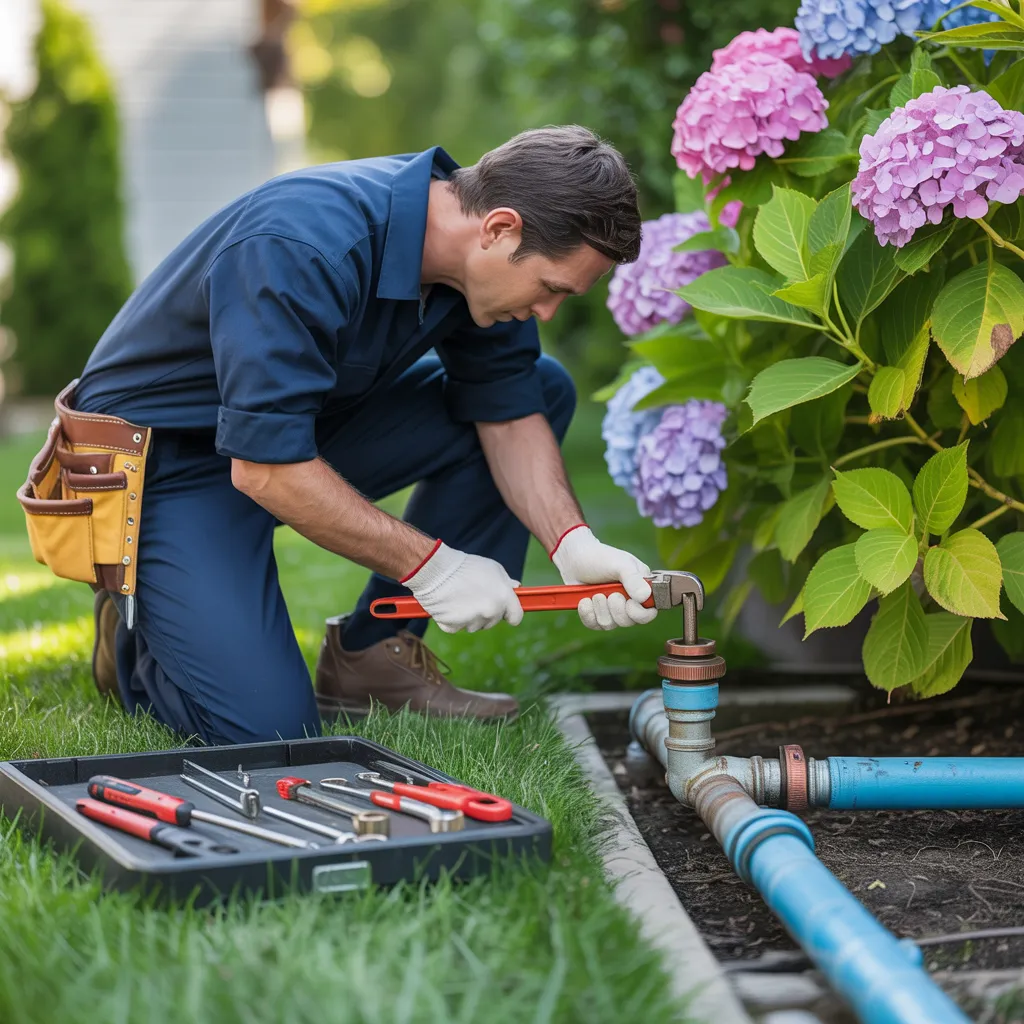
Common Plumbing Problems and Ways to Repair Them
When homeowners encounter plumbing issues, they often deal with common problems that require prompt attention. Clogged drains are one of the most frequent concerns, often caused by the buildup of grease, hair, and debris.
Homeowners could briefly relieve this by using a plunger or drain cleaning tool, but ongoing clogs typically call for expert intervention.
Leaking faucets are another widespread issue, causing water loss and elevated utility bills. A simple change of washers or O-rings can typically address this problem.
Moreover, continuously running toilets can waste considerable water, generally due to a faulty flapper or fill valve. Homeowners may endeavor to fix this by fine-tuning or replacing parts on their own.
Ultimately, split pipes, often resulting from freezing temperatures, necessitate prompt professional help to prevent extensive water damage.
Understanding these everyday plumbing problems supports property owners in obtaining opportune solutions and maintain their home's plumbing system effectively.
The Significance of Regular Upkeep
Regular maintenance is important for protecting the durability and functionality of a home's piping network. Routine inspections can spot emerging problems before they advance, saving homeowners from costly repairs.
Basic tasks, such as inspecting for leaks, washing faucets, and examining water heaters, can greatly enhance system performance. Additionally, regular upkeep helps to maintain water purity, as sediment buildup in pipes can cause contamination.
Property owners ought to also consider scheduling expert drain service to avoid clogs. By committing to routine maintenance, homeowners not only guarantee their plumbing operates smoothly but also boost the overall value of their property.
A proactive approach to plumbing maintenance finally produces a stress-free living environment.
Emergency Pipe Repair Services
Tackling a plumbing emergency can be taxing for any property owner, making it essential to grasp important services that can render immediate relief.
Urgent plumbing assistance includes speedy response teams accessible 24/7, competent of addressing complications such as burst pipes, critical leaks, or toilet backups. These proficient technicians can quickly assess the situation and implement temporary repairs to prevent further damage.
In addition, offerings frequently address drain clearing, water heater servicing, and sewer backups. Homeowners should also become aware of the significance of turning off the main water supply during critical situations.
At last, having access to emergency plumbing help not only minimizes damage but also guarantees peace of mind during troubling times. Being prepared in these cases can protect both time and money.
How to Manage Common Plumbing Problems
Plumbing issues can interfere with daily life, but many typical issues have simple solutions. A blocked pipe can often be fixed with a plunging tool or a combination of baking soda and vinegar. This approach helps dissolve buildup without harsh chemicals.
Leaky faucets, another frequent complaint, may simply require a new washer installation; halting the water supply and unscrewing the faucet allows for easy access to the components.
To manage excessively running toilets, adjusting the float mechanism or replacing the flapper can reinstate normal function. For substandard water pressure, inspecting aerators or showerheads for blockages is an effective first stage.
Finally, property owners can often tackle minor pipe leaks with epoxy putty or adhesive tape as a temporary fix. These simple approaches empower individuals to manage routine plumbing issues effectively, fostering a feeling of independence. However, persistent issues may require further investigation.
When do you need to contact a certified plumber?
In what way can homeowners determine when a professional plumber should be contacted? Detecting various signs can guide homeowners in their decision-making process.
Persistent drips that fail to react to quick repairs suggest a more severe root problem. Blocked pipes that resist routine cleaning methods may require expert assistance to prevent extensive damage.
Moreover, if a homeowner comes across diminished water pressure or water discoloration, these may suggest plumbing complications that should not be disregarded.
Complex problems such as sewer line backups or significant water destruction require urgent professional help to mitigate risks.
Homeowners should also think about the age and condition of their pipe infrastructure; old or deteriorated piping often lead to costly repairs if not handled promptly.
When all is said and done, if uncertain, consulting with a skilled plumber can help save time, money, and further complications.
How Preventative Maintenance Protects Your Money and Reduces Complications
Allocating funds for preventive maintenance programs can greatly reduce the likelihood of costly repairs and unwelcome problems. Frequent inspections and upkeep of plumbing systems can identify small troubles before they progress into major problems. For instance, minute leaks, corroded pipes, or obstructed drains can be handled immediately, preventing homeowners from expensive repair bills down the line.
Furthermore, effective preventative measures boost the general efficiency of plumbing systems. By ensuring that pipes and fixtures are in optimal shape, property owners can sidestep the extra expenses associated with elevated water costs resulting from leaks or inefficiencies.
Moreover, preventative maintenance supports property value. A properly kept plumbing system is pleasing to potential buyers and can avert future disputes or negotiations related to repairs.
In the final analysis, investing in preventative maintenance not only preserves finances but also ensures confidence, making it a excellent choice for homeowners hoping to avoid stress.
Why Regular Plumbing Check-Ups Are Important
Consistent plumbing examinations are significant for maintaining a home's framework. These inspections enable technicians to recognize potential issues before they multiply into expensive repairs. By dealing with problems such as drips, clogs, or worn pipes early, homeowners can eliminate extensive damage to their property and secure a safe living environment.
In addition, frequent check-ups optimize the overall reliability of plumbing systems. They can bring to light inefficiencies that add to increased water bills, prompting homeowners to make necessary adjustments.
Ongoing maintenance also extends the service life of plumbing systems and appliances, fostering long-term savings.
In addition, a well-maintained plumbing system improves home value, making it more attractive to potential buyers.
In the end, making plumbing check-ups a priority is important for maintaining a home's functionality and integrity, giving peace of mind to homeowners anxious about unforeseen plumbing emergencies.
Initial Inspection Process
When a plumbing maintenance call is initiated, the technician comes equipped to examine the situation methodically. The process begins with a detailed assessment of the location, often starting with a discussion about the mentioned concerns.
The technician then inspects visible plumbing components, such as pipes, fixtures, and appliances, searching for marks of deterioration or harm. They may also use diagnostic tools to uncover concealed problems that are not immediately apparent.
During this first evaluation, the technician documents observations and photographs to record results. This extensive assessment helps read the facts in forming an precise assessment and lays the groundwork for any necessary repairs.
In the final analysis, this deliberate method guarantees that no aspect of the plumbing system is unaddressed, supporting effective solutions.
Overview of Service Completion
After recognizing and resolving typical plumbing problems, the technician will move forward with the completion of service.
This stage includes a thorough inspection of the work performed to guarantee quality and compliance with safety standards. The technician will explain the completed repairs and any preventive actions property owners can take to avoid future problems.
A detailed invoice will be provided, outlining the services delivered and associated costs. Payment options will be addressed, allowing clients to select a method that suits them best.
Finally, the specialist will tidy the work area, leaving it tidy and confirming that all equipment and supplies are removed.
Pleased clients can anticipate a subsequent phone call or email to ensure everything is functioning properly after the service.
Questions Commonly Raised
How Do I Select the Right Plumber for My Needs?
To select the best plumbing professional, one should investigate credentials, read customer reviews, compare estimates, and guarantee valid licensing and coverage. Word-of-mouth suggestions can also offer valuable information into dependability and quality of service.
What Knowledge Ought a Professional Plumber Keep?
A qualified plumber should possess relevant certifications, extensive training, and experience in plumbing systems. They should also be insured and licensed, showing their compliance with industry regulations and ensuring quality service for various plumbing needs.
Is Urgent Plumbing Service Available 24 Hours a Day?
24/7 plumbing support are really obtainable 24/7. Industry experts emphasize speedy response to critical needs, making certain that clients receive immediate assistance whenever plumbing emergencies develop, irrespective of the hour or day.
How Can I Stop Plumbing Issues in Older Homes?
Preventing plumbing issues in older homes requires frequent inspections, routine maintenance, and prompt fixes. Replacing outdated fixtures and maintaining proper drainage can also substantially reduce the risk of future plumbing complications.
What plumbing tools should I own at Home?
A homeowner needs essential plumbing tools, including a plunger, pipe-turning wrench, variable wrench, basin wrench, measuring tape, and a set of screwdrivers. These implements establish a basic foundation for addressing small plumbing problems successfully.